Journal

Notes on how coatings, substrates and finishes actually behave — written for anyone deciding what to do with a surface.

These are explanatory pieces rather than project records. Our completed work is in the case studies.

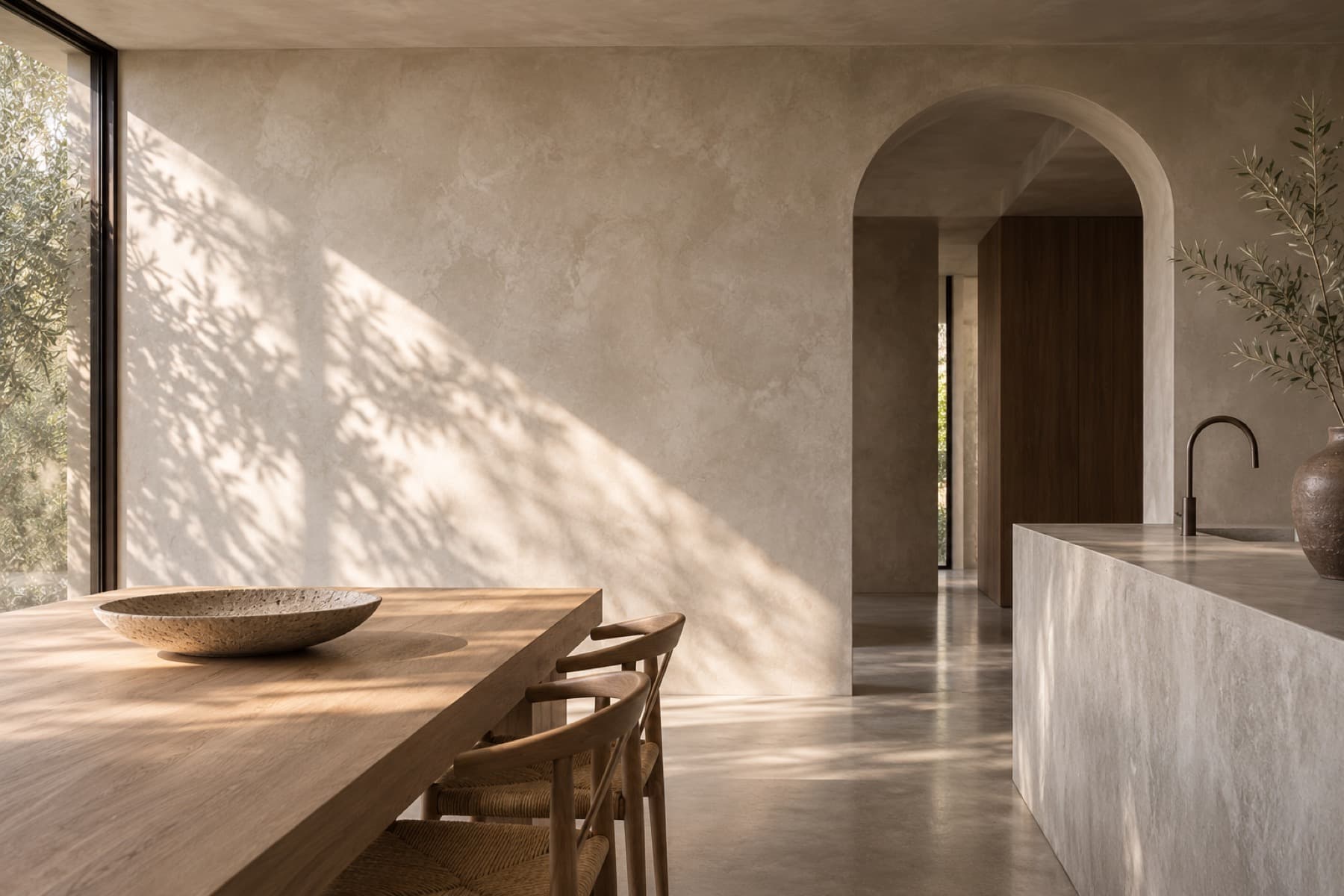
A mineral-finished interior wall with dappled light falling across it through olive foliage, beside a timber table and stone bench.

Limewash, mineral paints and the behaviour of light

Conventional paint puts colour on a wall. Limewash and mineral paints put it in one. Nearly everything people notice about these finishes — the depth, the movement through the day, the fact that no two walls come out the same — follows from that.

Read
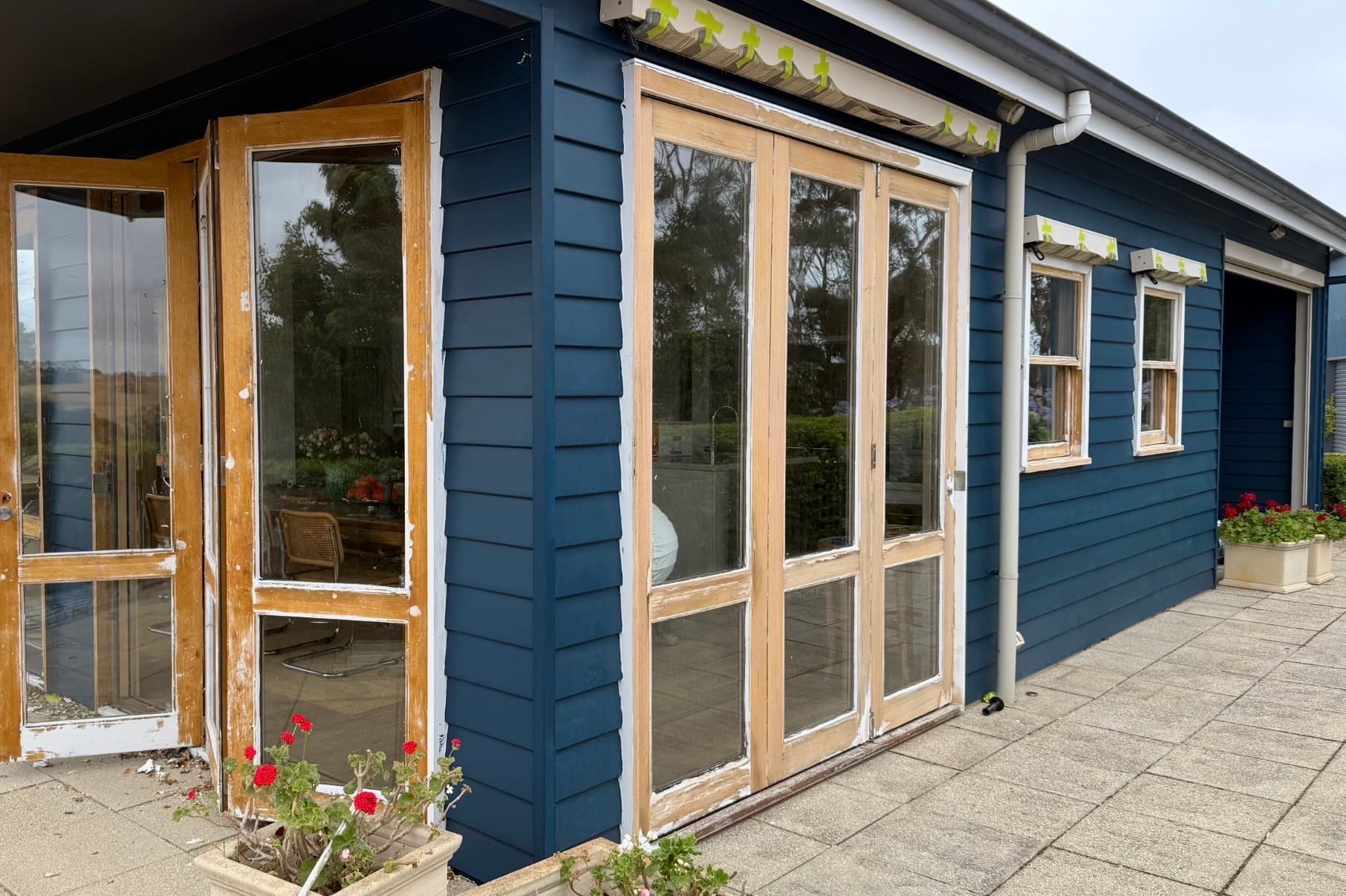
Timber doors and windows stripped back to bare timber, with failed paint remaining at the edges, set in a freshly painted weatherboard wall.

Why preparation determines how a painted surface ages

Paint failure often begins somewhere beneath the finish coat. It fails at one of the joins beneath it — where coating meets substrate, where one coating meets another, or inside a layer that had already given up. The finish coat is the part everyone sees, but much of its longevity is decided before it goes on.

Read